Beschreibung
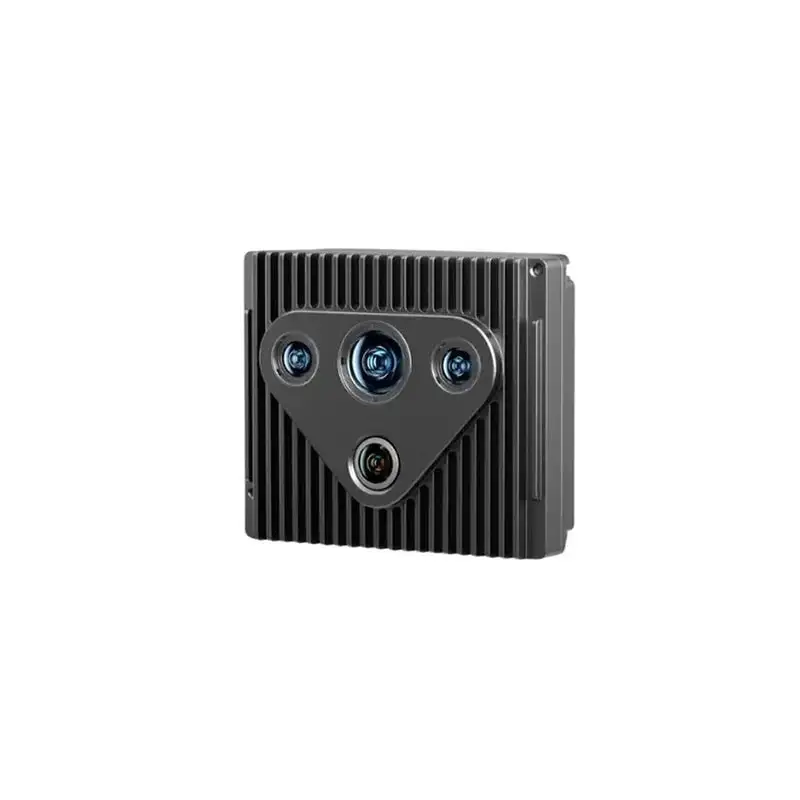
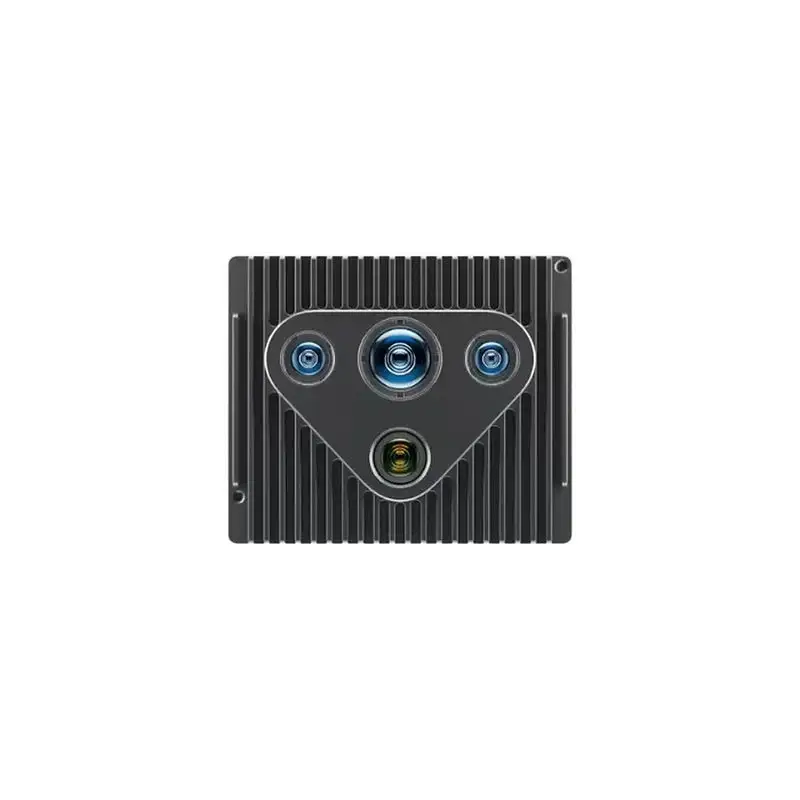
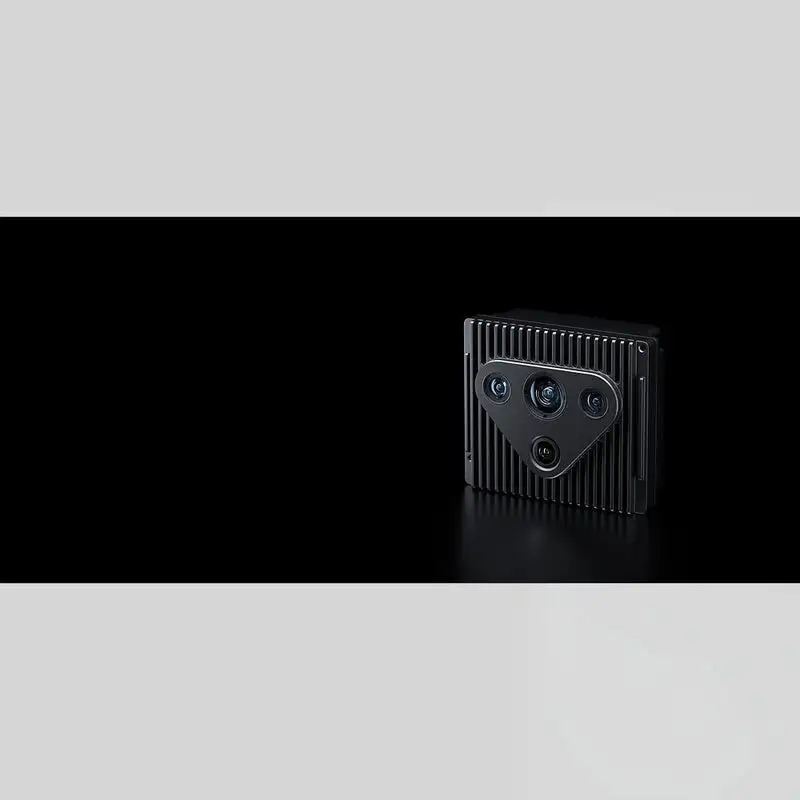
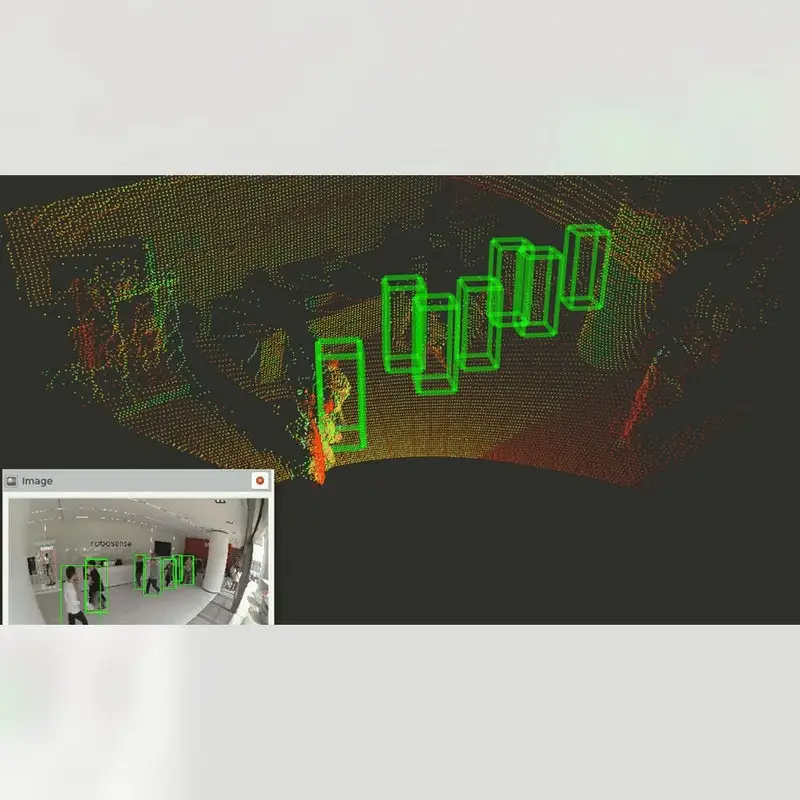
RoboSense AC1 Active Camera is an all-solid-state LiDAR depth camera for robotics that combines depth sensing, RGB imaging and a 6-axis IMU in one compact module. Its hardware-level synchronization of depth, visual and motion-posture data gives developers a shared sensing foundation for robot perception, obstacle avoidance, mapping and localization.
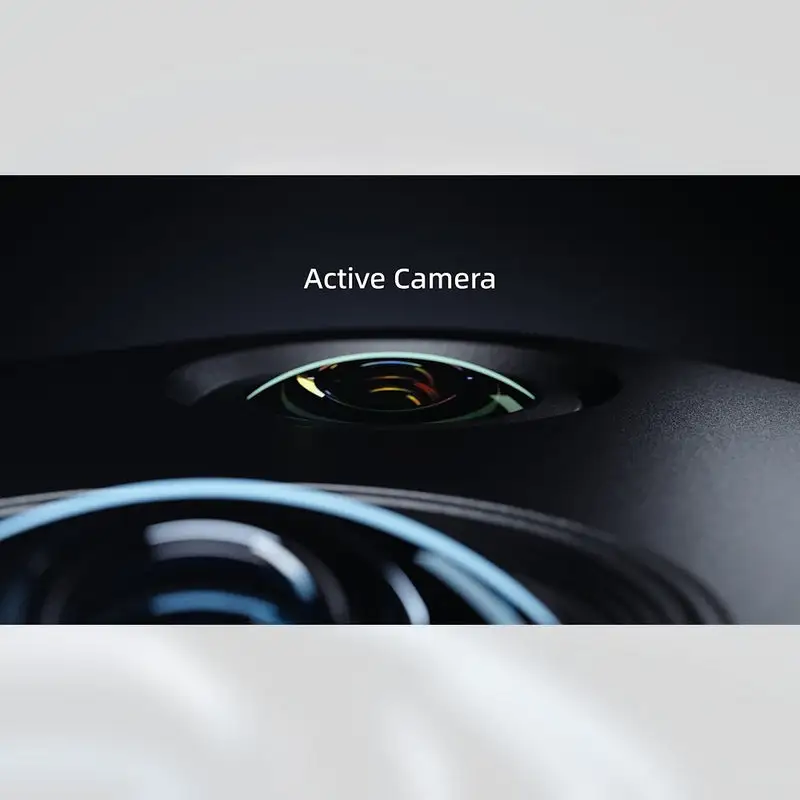
Built around VCSEL + SPAD + CMOS technology, AC1 is designed for indoor and outdoor robotic development. RoboSense positions the platform for scenarios involving strong sunlight, reflective materials and lighting transitions, with an AI-Ready ecosystem for data collection, calibration, visualization and multimodal algorithm work.
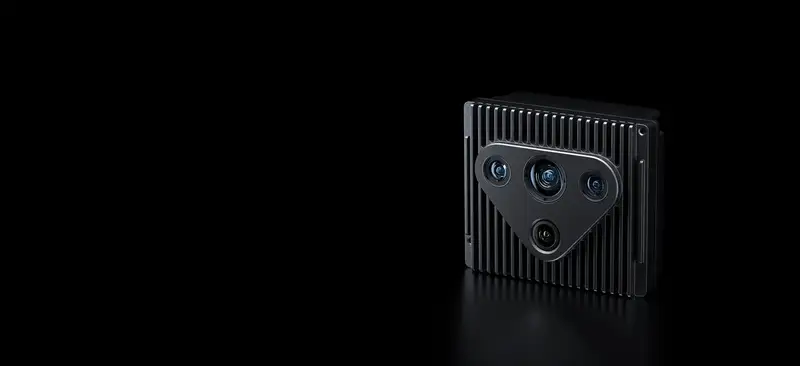
Features
- Hardware-level multimodal fusion: LiDAR depth, RGB imaging and 6-axis IMU data are synchronized in time and space for a unified perception input.
- All-solid-state sensing: The VCSEL + SPAD + CMOS architecture has no moving scanning parts in the sensing module.
- Long-range depth capability: The current RoboSense AC1 page lists up to 70 m maximum range and up to 40 m for deep black objects at 10% reflectivity.
- Close-range precision: The current official product page lists accuracy of up to 1 cm (1σ) within 5 m for detailed perception and path-planning evaluation.
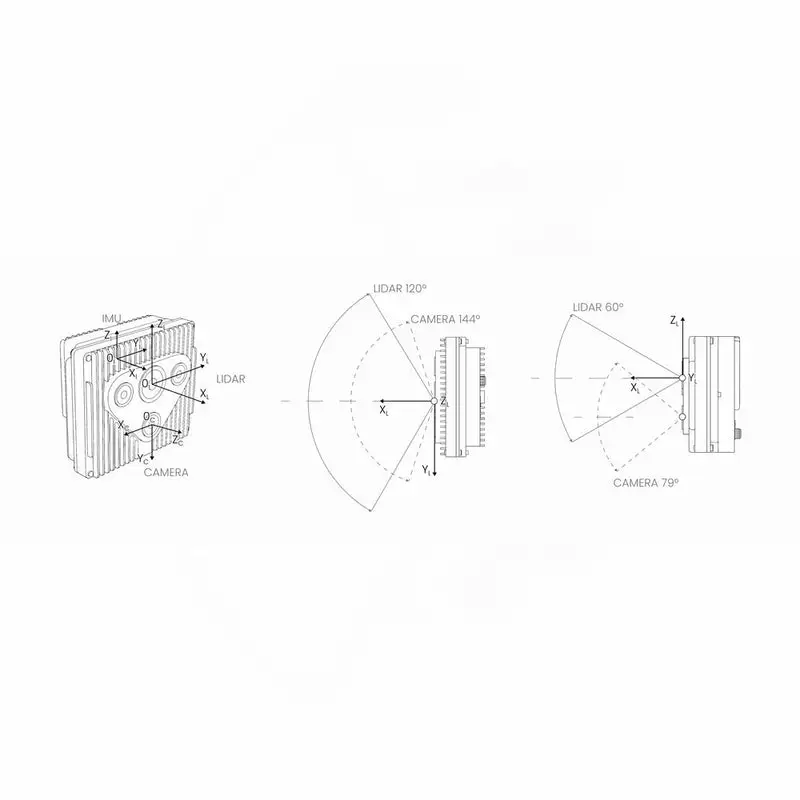
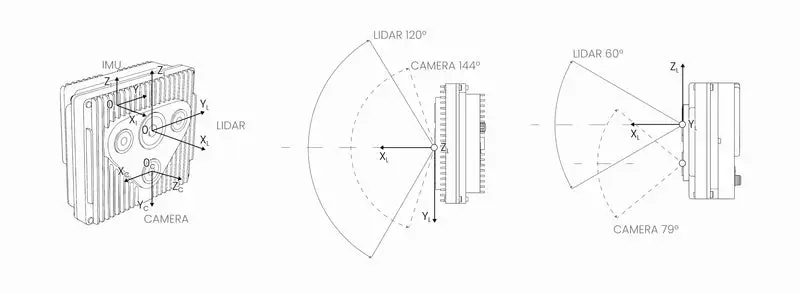
- Wide fused perception: A 120° × 60° depth field of view and 144° × 78° RGB field of view support broader scene coverage.
- Outdoor-oriented sensing: RoboSense lists 100 kLux sunlight-interference resistance; the user guide lists IP54 protection and -20°C to +60°C operation.
- Robot-ready data interface: USB 3.2 Gen 1 data and DC power interfaces support integration with a compatible host computer or AI platform.
- Developer ecosystem: AC Studio, AC Viewer, drivers, ROS and ROS 2 SDKs, calibration tools, SLAM and perception projects support evaluation and secondary development.
Specifications
| Parameter | Value |
|---|---|
| Sensing architecture | All-solid-state VCSEL + SPAD + CMOS Active Camera |
| Depth ranging principle | Time of Flight (ToF) |
| Ranging capability | Up to 70 m; up to 40 m for deep black objects at 10% reflectivity |
| Ranging accuracy | Up to 1 cm (1σ) within 5 m |
| Depth / RGB field of view | 120° × 60° depth; 144° × 78° RGB (H × V) |
| Sunlight interference resistance | 100 kLux |
| Laser wavelength and safety class | 940 nm; Class 1 eye safe |
| Blind zone | 0.1 m at 90% reflectivity |
| Point output / frame rate | Approximately 173,333 points/s; 10 Hz |
| RGB camera | Rolling shutter; NV12 / RGB24 output; 30 Hz |
| IMU | 6-axis; gyroscope ±2000 dps; accelerometer ±16 g; 200 Hz adjustable |
| Data / power interface | USB 3.2 Gen 1 / DC |
| Typical power consumption | 12.6 W |
| Protection / operating temperature | IP54; -20°C to +60°C |
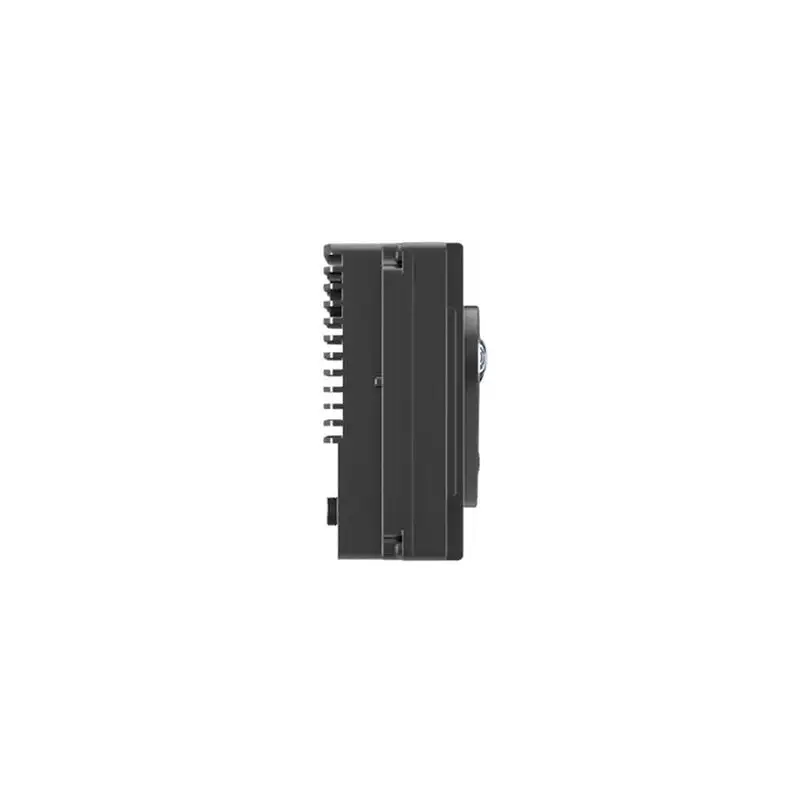
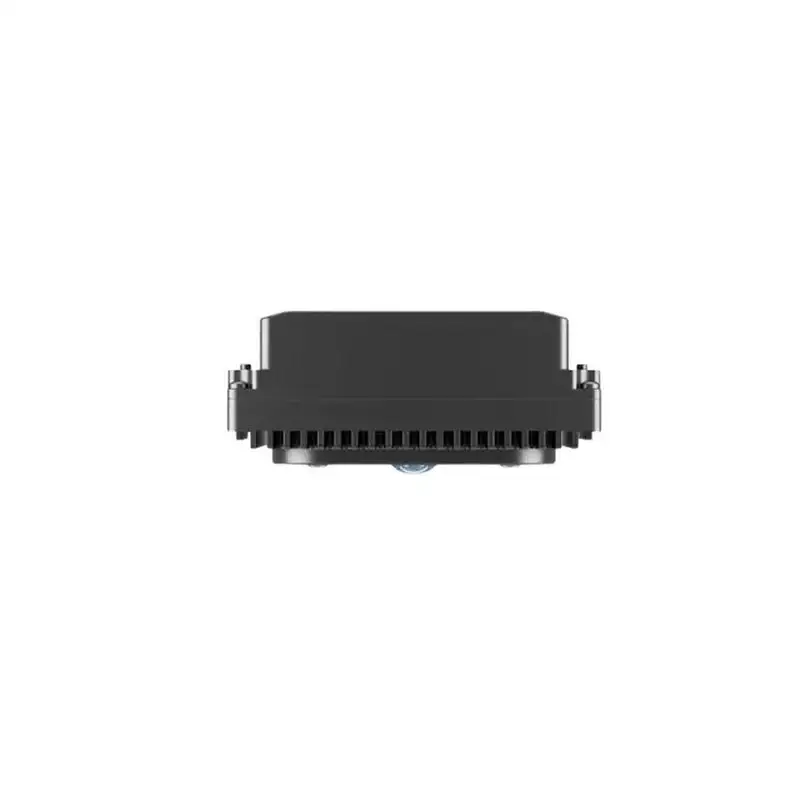
| Dimensions / weight | 95 × 42.6 × 80 mm; 400 g ±10% |
Integration and Calibration
For robot integration, use the LiDAR coordinate system as the AC1 reference frame and follow the supplied factory calibration data for the camera and IMU relationship. The official calibration resources cover camera intrinsic, camera-to-LiDAR, camera-to-IMU, mobile-platform and robotic-arm workflows.
Ensure that the optical envelope remains unobstructed by brackets, covers or the robot body. Final mounting position, cable routing and calibration verification should be completed on the assembled platform.
AI-Ready Development
AC Studio and AC Viewer provide a practical workflow for device setup, data visualization, recording, playback and offline evaluation. RoboSense also publishes drivers, calibration and data-fusion tools alongside open-source projects for SLAM and multimodal perception.
This ecosystem lets engineering teams evaluate depth, color and motion data together, then connect the selected development stack to their own robotic application and computing platform.
Applications
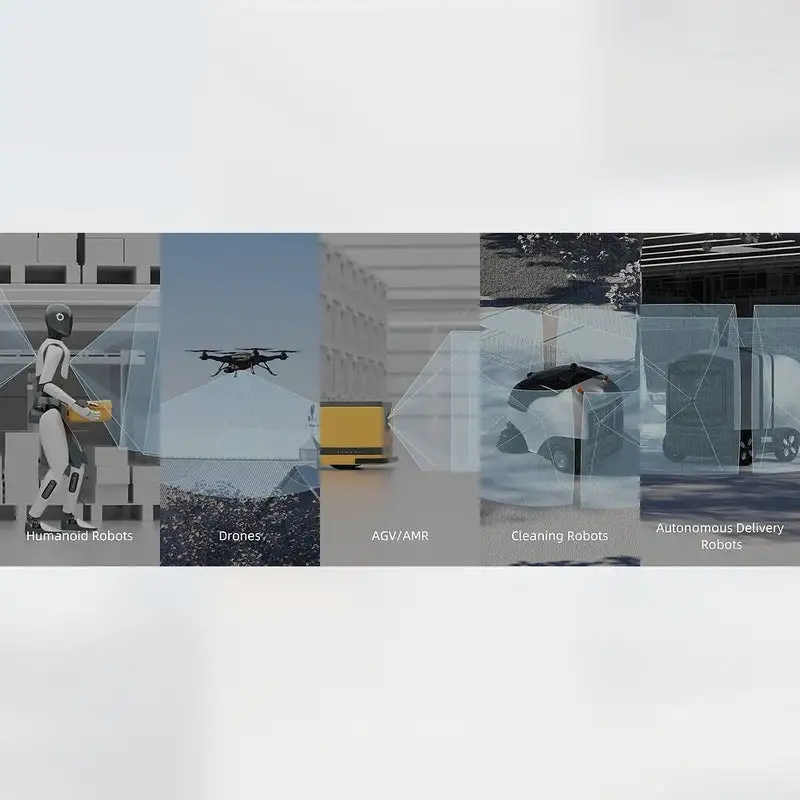
RoboSense AC1 supports robotic applications that benefit from synchronized depth, color and motion-posture information. Official animated demonstrations are used where available; the broad application overview uses an official static visual because no matching scenario GIF is published.
Long-Range Robotic Perception
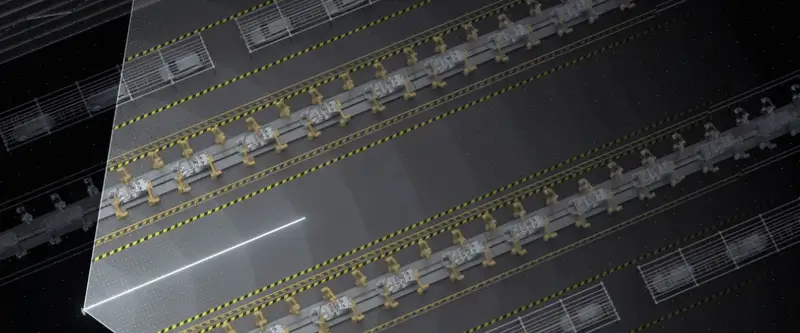
Use depth, RGB and IMU data as a common perception input for obstacle awareness, mapping and navigation research. The official AC1 page lists up to 70 m maximum range and up to 40 m for deep black targets at 10% reflectivity.
Precision Navigation and Path Planning
Combine close-range depth detail with synchronized visual and motion data for path-planning evaluation, localization workflows and robot mobility development.
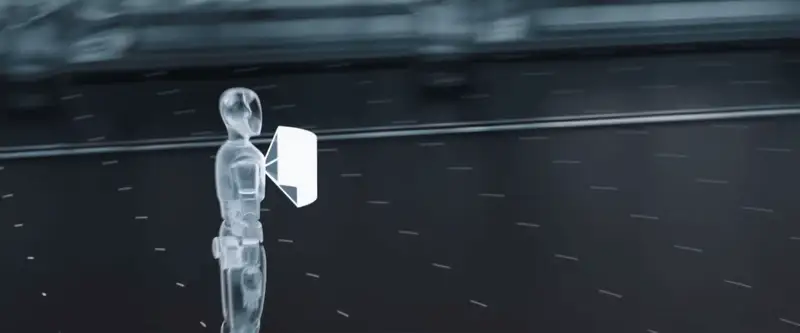
Wide-Area Spatial Awareness
The 120 degree by 60 degree depth field of view and 144 degree by 78 degree RGB field of view support broader scene coverage for service robots, AGV and AMR platforms, and inspection systems.
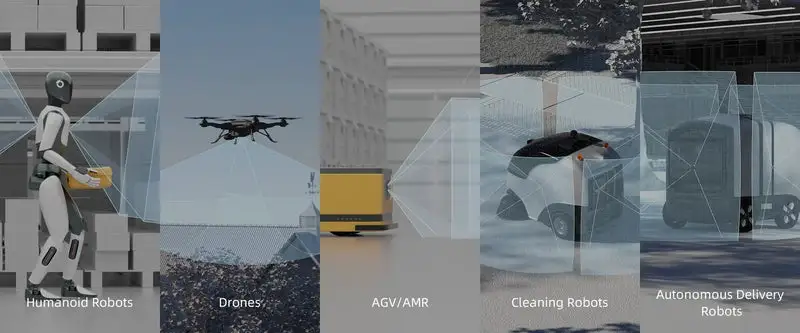
Robotic Platform Development
RoboSense identifies humanoid robots, drones, AGV and AMR systems, cleaning robots and autonomous delivery robots as representative AC1 application areas. The same multimodal data can also support industrial hand-eye research, 3D scanning and material-detection studies.
Reference Documents
Documents & Manuals
- Official AC1 Product Information
- AC1 User Guide PDF
- Active Camera Technical Wiki Source
Software
- AC Studio
- AC Viewer Guide
- AC Viewer for Windows
- AC Viewer for Ubuntu 20.04
Drivers & Open Source
- AC1 C/C++ Driver
- AC1 ROS SDK
- AC1 ROS 2 SDK
- AC1 and AC2 ROS Driver
- AC1 Calibration Toolkit
- AC1 SLAM
- AC1 Perception
Packing List
| SKU | Item | Quantity |
|---|---|---|
RS-AC1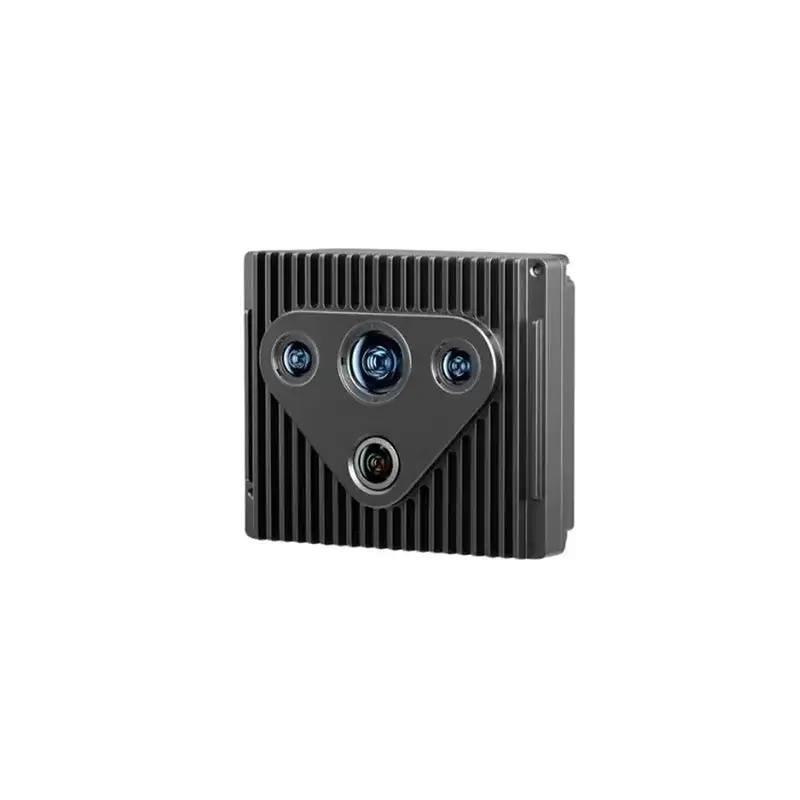
|
RoboSense AC1 Active Camera | 1 |
| Type-C data cable with screw lock, 1 m | 1 | |
| DC power cord with screw lock, 1 m | 1 | |
| DC adapter, 12 V / 2 A | 1 | |
| Product specification document | 1 |
FAQ
What is RoboSense AC1?
AC1 is RoboSense’s all-solid-state Active Camera for robotics. It combines LiDAR depth sensing, RGB imaging and a 6-axis IMU in one module.
Which data streams does AC1 provide?
AC1 provides synchronized point-cloud depth, RGB image and IMU data for robotic perception and development workflows.
What range should be used for planning?
The current official AC1 product page lists a maximum range of up to 70 m and up to 40 m for deep black objects at 10% reflectivity. Range depends on target reflectivity and the operating environment.
How accurate is AC1 at close range?
The current official product page lists accuracy of up to 1 cm at 1 sigma within 5 m. Use the selected unit’s official documentation and real installation conditions for final validation.
What fields of view does AC1 provide?
The official product page lists a 120 degree by 60 degree depth field of view and a 144 degree by 78 degree RGB field of view.
Can AC1 be used in outdoor robot projects?
The official product page lists 100 kLux sunlight-interference resistance, while the user guide lists IP54 protection and an operating temperature range of -20 degrees C to +60 degrees C. Evaluate the complete installed system for its actual environment.
What connection does AC1 require?
AC1 uses USB 3.2 Gen 1 for data and a DC power interface. Use the supplied screw-lock data and power cables, and follow the AC1 User Guide before wiring the sensor.
Does AC1 support ROS and ROS 2?
RoboSense provides AC-series C/C++ drivers, ROS and ROS 2 SDKs, plus a current ROS and ROS 2 driver repository for AC1 and AC2. Refer to the corresponding repositories in Reference Documents.
Which tools are available for setup and calibration?
AC Studio and AC Viewer support evaluation workflows. RoboSense also publishes calibration, SLAM and perception resources for Active Camera development.
What is included in the package?
The official AC1 user guide lists the AC1 sensor, one 1 m screw-lock Type-C data cable, one 1 m screw-lock DC power cord, one 12 V / 2 A DC adapter and one product specification document.